Temporary CCTV
Temporary CCTV, on the network we are already building.
If we are putting masts, PoE switches and an uplink on your site anyway, cameras are a small addition rather than a second supplier and a second infrastructure.
Gate to field
Where it matters
Same network
PoE already there
Retention
Set and enforced
UK GDPR
Signage and DPIA
Why us for this
The expensive part is already on your site.
Temporary CCTV is mostly not about cameras. It is about getting power and a network to places in a field where neither exists, mounting something at height that will survive a weekend of weather, and having somewhere for the footage to go.
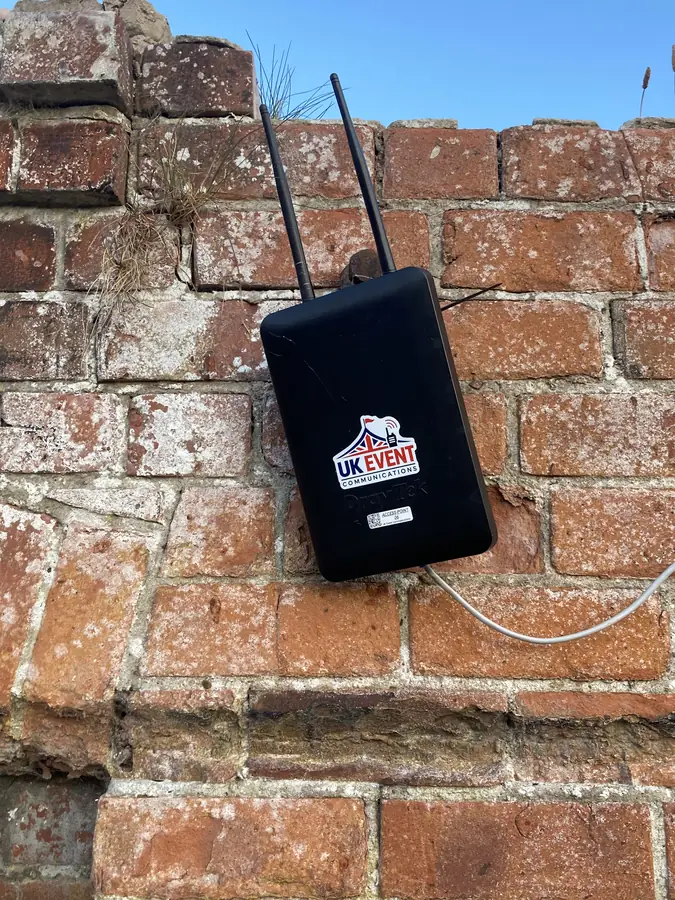
We are already doing all of that for your WiFi. The masts are up, the PoE switches are in, the uplink is live and the whole thing is monitored. Adding cameras to it is incremental, where bringing in a separate CCTV contractor means paying twice for the same infrastructure.
Where cameras usually earn their place
- The gate. Ticketing disputes, vehicle access, and knowing who came in and when.
- The compound or kit store. Where the valuable things live overnight, which is when events are most exposed.
- The bar and the main crowd area. Usually requested by the licence holder rather than the organiser, and sometimes required by it.
- Camping areas. Treated carefully. People sleep there, and there are places a camera should not point.
Being straight about what this is
This is surveillance, and we treat it as such rather than as another box on a mast. Cameras change how a site feels and they create obligations that WiFi does not.
In practice that means we will ask what each camera is actually for before we put it up, and we will push back on cameras pointed where they have no business being. A camera covering the kit compound is proportionate. A camera covering the inside of a camping field because it was easy to mount there is not, and it is the kind of thing that turns into a complaint to the ICO.
The compliance side, handled
- Signage at every entrance and in covered areas, stating that recording is taking place and who to contact. This is a legal requirement, not a courtesy.
- A defined retention period agreed before the event and actually enforced, rather than footage sitting on a drive indefinitely because nobody deleted it.
- Controlled access. A named list of who can view footage, and a record of when it was viewed and why.
- A documented purpose per camera, which is what makes a subject access request or a police disclosure answerable rather than alarming.
- Clarity on who is the controller. Usually you are, and we process on your behalf under a written agreement. We will set that out before anything is installed, because getting it wrong leaves everyone exposed.
What we will need from you
What you are trying to achieve, and who at your end is responsible for the footage. If the honest answer to the first question is "it would be reassuring to have cameras", we will say that is not a purpose and help you work out what is.
How we handle footage, how long it is kept and what rights people have is set out in the privacy notice and the data protection policy.
Also available
The rest of what we hire out.
Event WiFi Hire
Temporary WiFi for festivals, shows and outdoor sites. Outdoor-rated access points, isolated networks per audience, engineer on site.
Event WiFi HireVendor & EPOS Networks
Every trader on their own isolated network, with card terminals and EPOS on a prioritised lane. Per-vendor passwords and usage logs.
Vendor & EPOS NetworksPermanent Venue Installs
Fixed WiFi and network installs for showgrounds, country estates, race circuits and sporting clubs that run events all season.
Permanent Venue InstallsCameras on your site this season?
Tell us what you are trying to protect and we will tell you how many cameras that actually needs, which is usually fewer than people expect.
Get in touch How we handle data