Case study · April 2026
HDMCC Bailwood Rally
The club’s flagship rally, 250 people deep in woodland with no mobile signal at all. Radio across the whole site, and a tight, deliberate network for the bar and the vendors. Later in the year we did the same job again in the same conditions, for twenty people.
250
People on site
0
Bars of mobile signal
Full site
Radio coverage
20
Members at Mini-Bailwood
The event
250 people, deep in the trees.
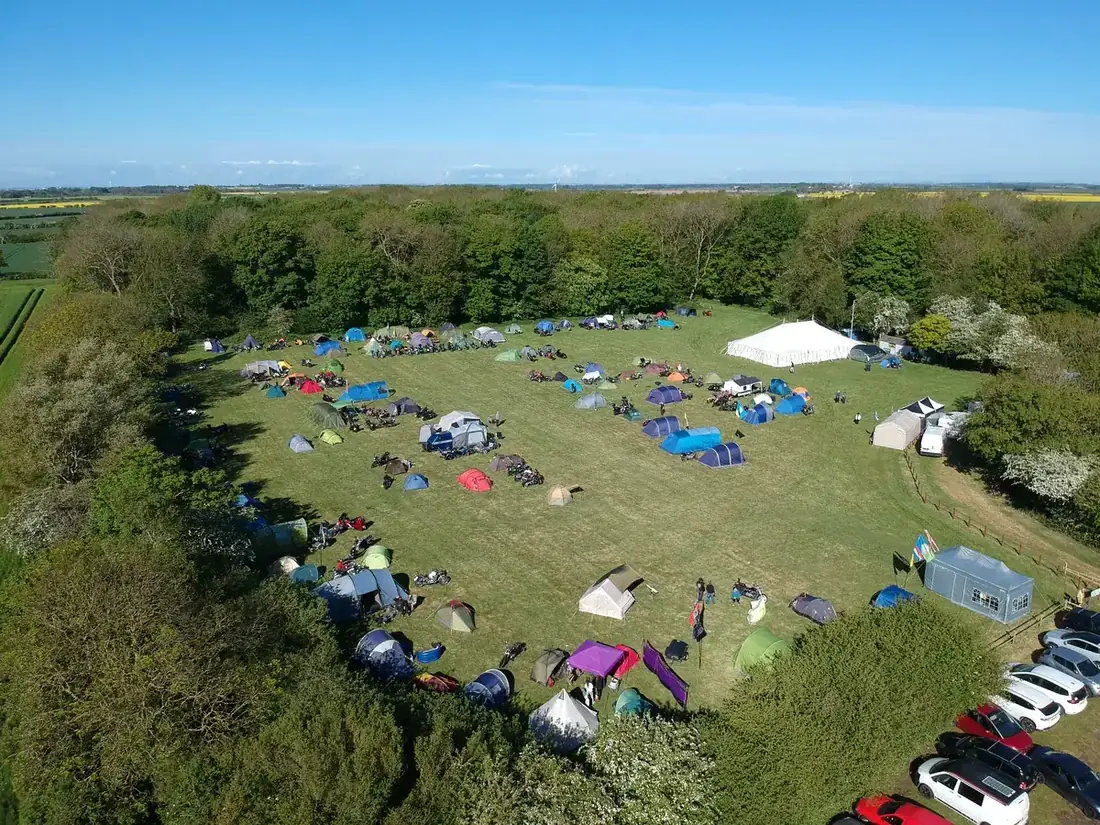
Bailwood is the flagship rally of the Hull & District Motorcycle Club, and it is held about as far from a phone mast as a Yorkshire event gets. Deep wooded ground, tents and bikes spread out under the canopy, a bar, vendors and a marshal team running the weekend.
There is no mobile signal on site. Not patchy, not one bar in the right corner of the field. None. That changes what matters: before anyone asks about streaming, the organisers need to be able to talk to each other, the gate needs to reach the bar, and the vendors need to be able to take money.
Radio first, WiFi where it earned its place
Plenty of suppliers would have turned up and tried to blanket a forest in WiFi. We did the opposite. On a wooded site, radio is the thing that actually reaches everybody, so radio was the main service and the network was kept deliberately small and useful.
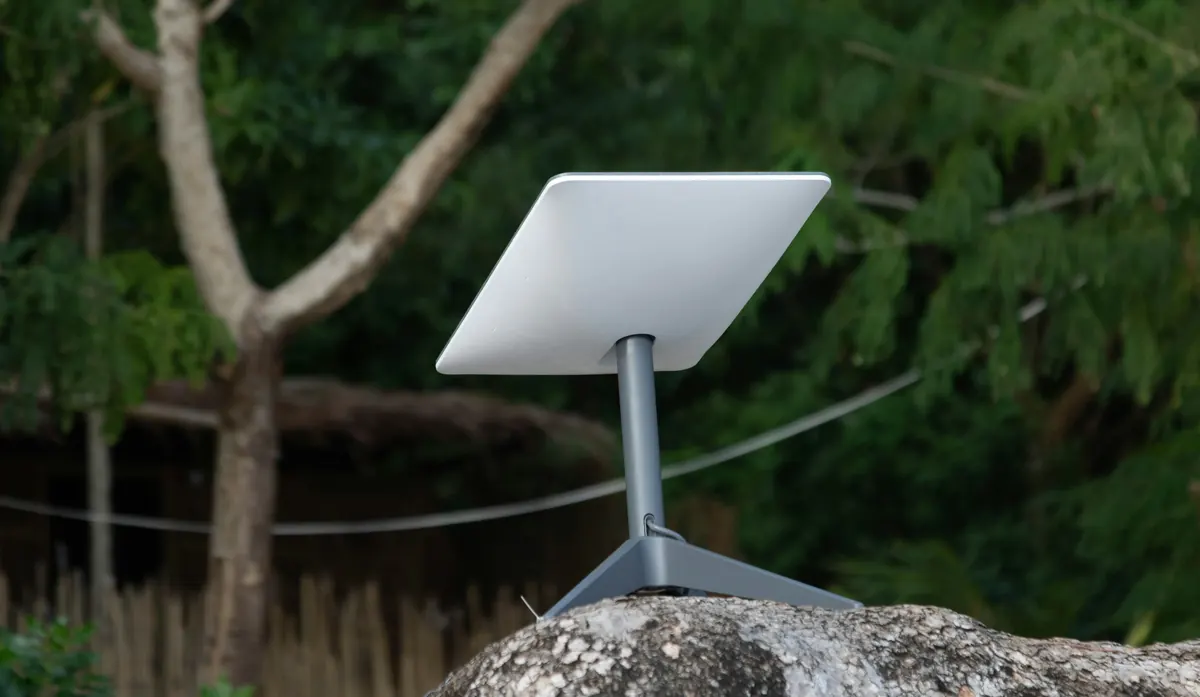
- Our own uplink: Starlink satellite as primary, with 4G failover available. On a site with no mobile coverage at all the failover was never going to be the one doing the work, but it travels with the kit as standard.
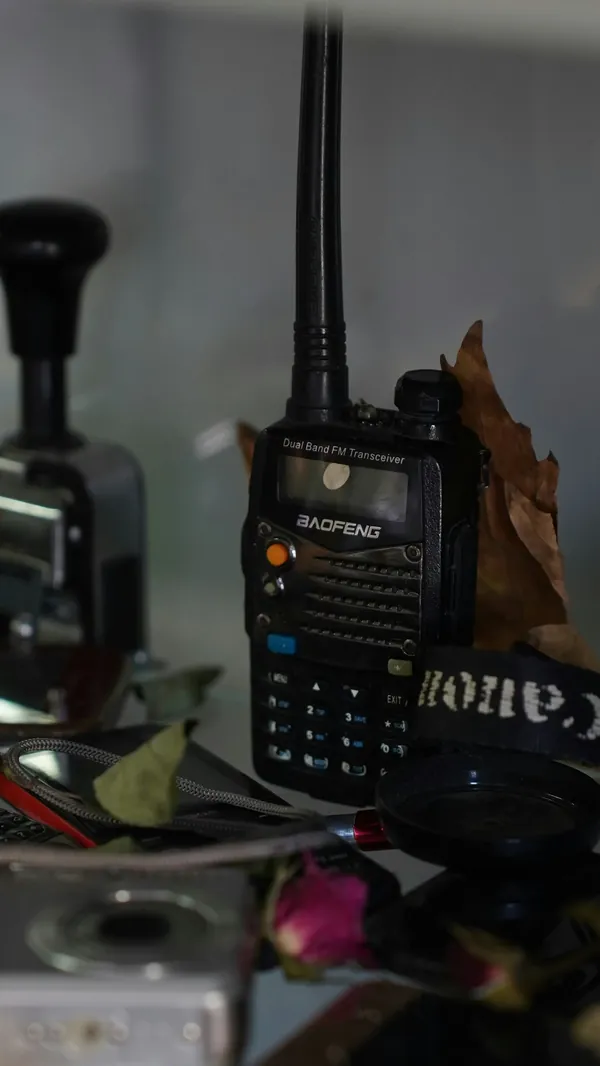
- Two-way radio across the whole site: handhelds for the marshal team, the gate, the bar and first aid, covering the camping areas and the wooded ground between them. One channel, everyone on it, no dead corners to walk out of.
- WiFi in the main marquee: coverage where the bar and the vendors actually stood, rather than thinly spread across ground where it would have been fighting tree cover the whole way.
- A vendor network that takes payments: card terminals and EPOS on their own network, so traders were not queuing behind anyone else’s phone for bandwidth.
- Bar staff on the same footing: the bar is the busiest till on site all weekend, and on a no-signal site it simply does not run without a connection behind it.
Getting a signal into a forest
Woodland is hard on both services, in different ways. Wet leaf cover soaks up 5GHz WiFi, which is why the network stayed tight around the marquee instead of chasing the treeline. Satellite needs a clear view of the sky, which in a forest means walking the site until you find the gap rather than parking the dish next to the rack.
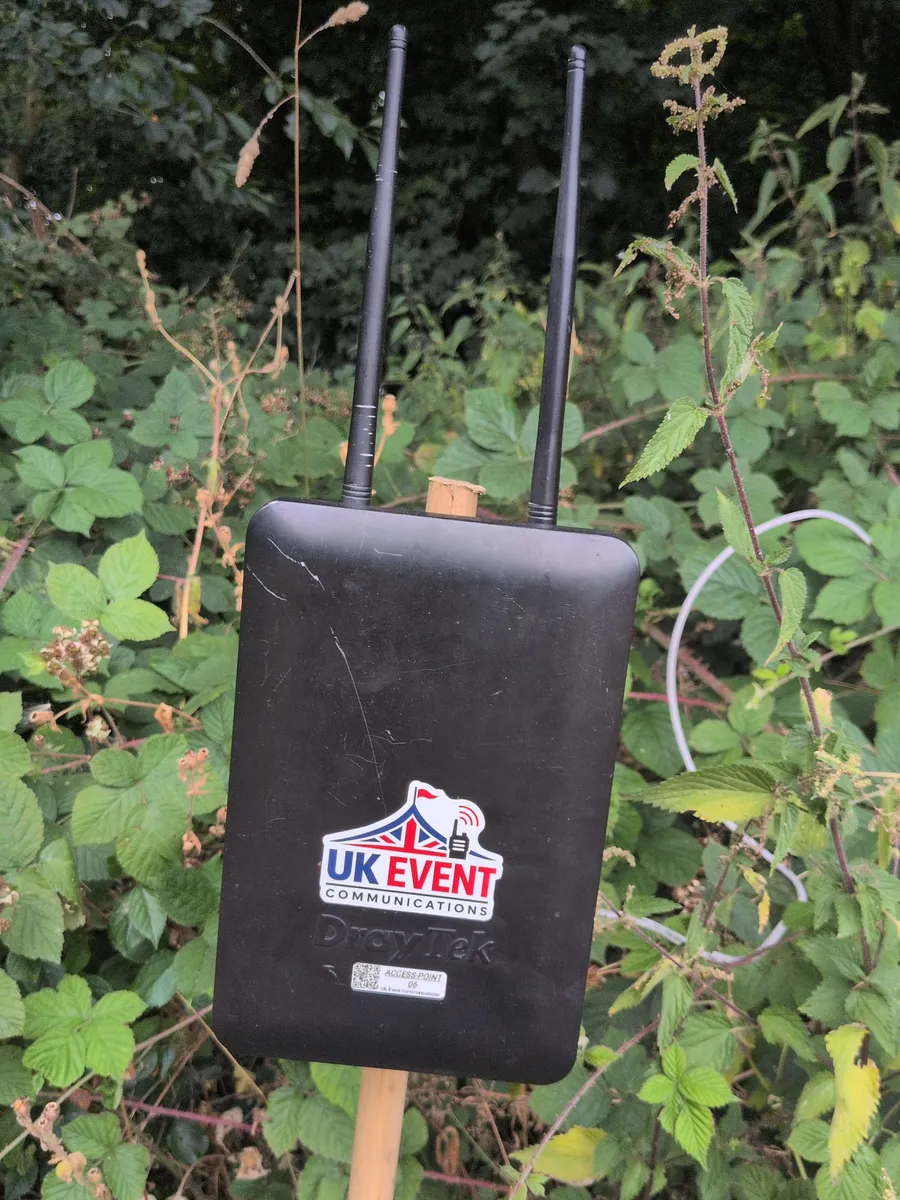
There is also nothing to mount anything on. No rampart walls, no stage truss, no building. Access points go up on stakes where the coverage needs them, which in practice means standing in the brambles with a mallet. It is not a glamorous photograph, but it is an honest one, and the kit still comes back tagged, logged and accounted for.
Radio is the service that copes best with trees, and it is also the one the organisers lean on hardest. Getting it right across a spread-out wooded site, including the walk between the camping areas and the gate, was the job that mattered most.
Then we did it again, for twenty people
Later in the season the club ran Mini-Bailwood: a private, members-only camp on a scout field, with the same fundamental problem and none of the scale. No phone signal in the middle of the field, around twenty members on site, and a weekend where they still wanted to be reachable.
It is not a commercial event and we are not pretending it was a big job. It is here because it is a useful illustration of something we get asked a lot: does this only work if you are spending rally money? No. We took a lean version of the same kit out to the middle of a field and twenty people had solid WiFi all weekend.
The kit scales down as cleanly as it scales up. A small camp does not need a 4U rack and three outdoor access points, and charging for one would be daft. What it needs is an uplink that does not depend on a mast, enough coverage to reach the tents, and someone who has set it up before.
What we took from it
Bailwood is the event that keeps us honest about priorities. The instinct in this trade is to sell the network, because the network is the shiny part. On a wooded site with 250 people and no signal, the thing that actually holds the weekend together is a marshal being able to raise the gate from the far side of the camping field.
It was also the first of three HDMCC events we covered across the 2026 season, followed by Fortified inside Paull Point Battery in July and Cods & Sods at a pub venue near Driffield in September. Three very different sites, three different answers.
More case studies
Other sites, other problems.
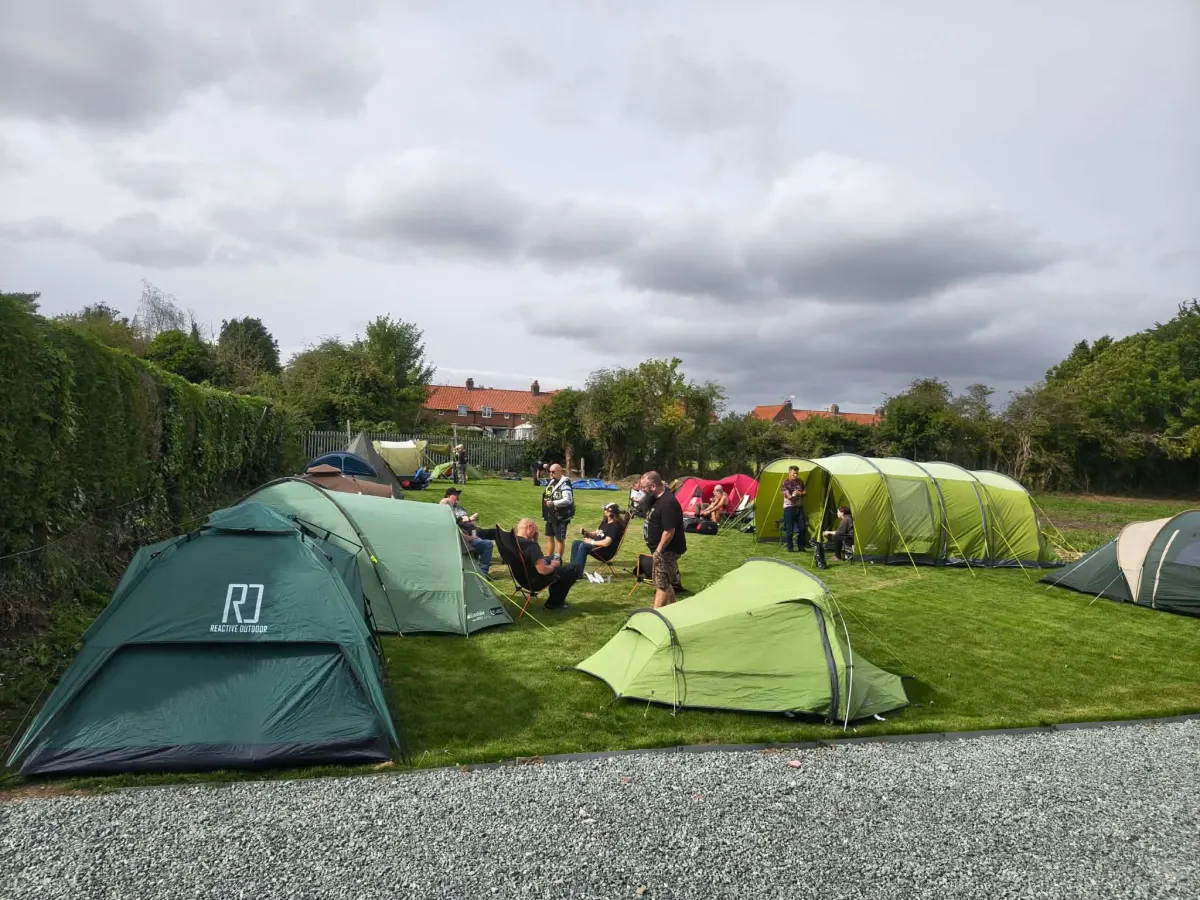
A field behind a pub
Cods & Sods September 2026
The pub had WiFi, the camping field had none. A lean kit moved over 120 GB in two days to around 60 guests, fast WiFi to every tent, plus staff radio.
Read the case study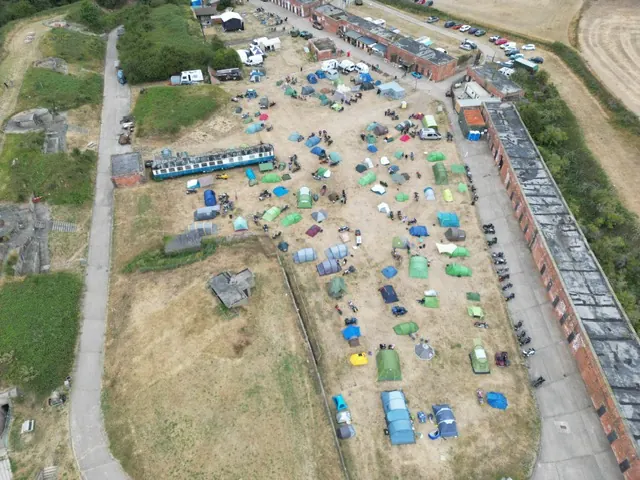
A Palmerston fort
Fortified July 2026
Three days inside Paull Point Battery. 132 GB over Starlink, three isolated networks, zero outages, and the first event we ran radios under our own Ofcom licence.
Read the case studyEvent somewhere with no signal at all?
Woodland, moorland, a field down a farm track. We will tell you honestly which of radio and WiFi you actually need, and which you do not.
Get in touch All case studies